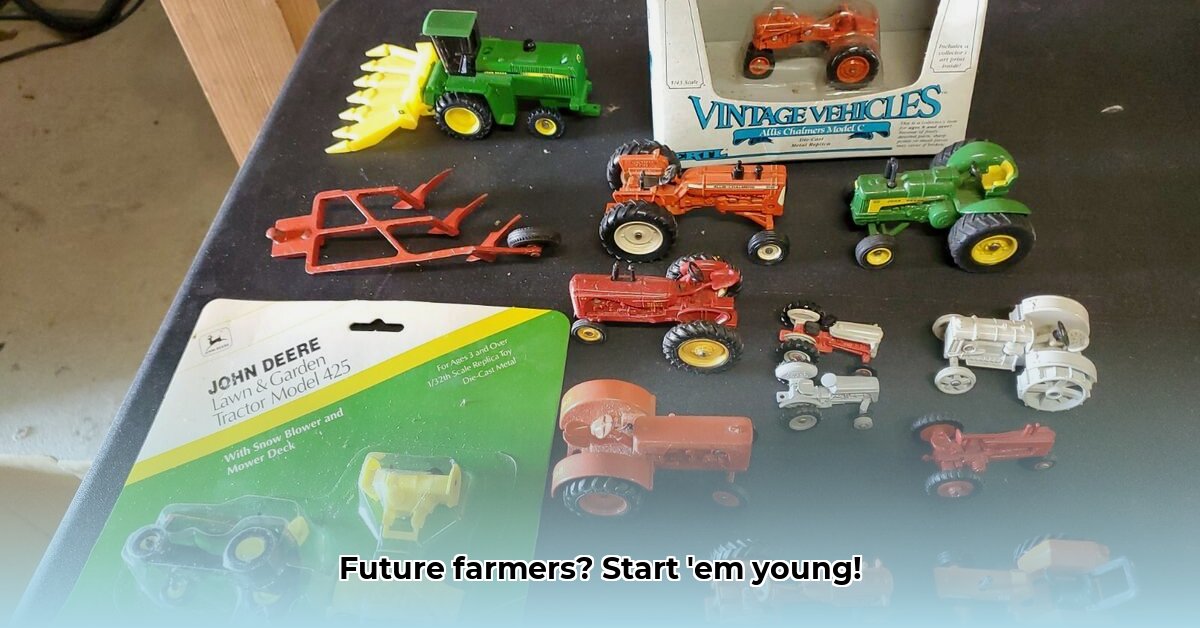
Understanding the Miniature Marvels
Sustainable agriculture often conjures idyllic images: sun-drenched fields, buzzing bees, and bountiful harvests. But a key element in achieving this vision might surprise you: the mini tractor. These compact machines, often overlooked, are quietly revolutionizing sustainable farming practices, offering a powerful combination of efficiency and environmental responsibility. Unlike their larger counterparts, mini tractors minimize soil compaction, a critical factor in maintaining long-term soil health. This lighter touch translates to improved water absorption, enhanced nutrient retention, and ultimately, healthier, more resilient crops. It's the difference between gentle rain nourishing the earth and a torrential downpour causing erosion – a subtle yet impactful shift toward environmentally sound farming. But are mini tractors truly the answer to every farm's needs? Let's delve deeper. For more information on mini tractor models, check out this helpful resource.
Case Studies: Small Tractors, Big Results
While comprehensive long-term studies are still underway, emerging data suggests significant benefits from mini tractor adoption. In numerous regions, especially those with limited land or resources, these compact machines have boosted efficiency. Farmers’ cooperatives, for example, report dramatic improvements in planting and harvesting times, transforming once-laborious tasks into manageable processes. This increase in efficiency isn't just about speed; the precision offered by mini tractors allows for better resource allocation, resulting in less water, fertilizer, and overall effort for higher yields. This translates into both environmental and economic gains, making them an attractive solution for many farmers. But what kind of mini tractor best fits a particular operation?
Comparing the Contenders: Choosing the Right Mini Tractor
Mini tractors aren't a one-size-fits-all solution. Different models offer varying advantages and drawbacks, necessitating a careful evaluation of specific requirements. The major distinctions lie in the power source:
Electric Mini Tractors: These environmentally friendly options boast quiet operation and lower maintenance costs. However, they currently suffer from limited operational range and a higher initial purchase price. Regular charging is also a prerequisite.
Diesel Mini Tractors: Diesel models provide robust performance and a longer operational range, but come with higher emissions and require more frequent maintenance. Their noise output can also be a drawback.
Hybrid Mini Tractors: These offer a blend of electric and diesel power, potentially providing a good compromise between performance and environmental impact. However, their complexity often leads to a more substantial initial investment.
The right choice depends on factors like the farm's size, crop types, terrain, and, of course, budget. It's a balancing act, much like selecting the right vehicle – do you prioritize fuel efficiency, power, or a combination of both? In the context of sustainable agriculture, the environmental impact adds another crucial layer to the decision-making process.
Actionable Insights/Recommendations: A Pathway to Sustainable Farming
The transition to mini tractors requires a multi-faceted approach involving farmers, manufacturers, and policymakers:
For Farmers:
- Explore Funding: Investigate government subsidies or grants supporting sustainable agricultural technology adoption. Cooperative ownership models can also make mini tractors more accessible.
- Prioritize Training: Proper operation and maintenance training maximizes the tractor’s lifespan and efficiency.
- Invest in Preventative Maintenance: Regular maintenance prevents costly repairs, ensuring the tractor remains a productive asset.
For Manufacturers:
- Focus on Affordability and Durability: Creating affordable, long-lasting, and easily repairable mini tractors is crucial for widespread adoption.
- Develop Advanced Technologies: Investment in energy-efficient models—especially electric and improved hybrid varieties—is essential for reducing their environmental footprint.
- Simplify Maintenance: Straightforward designs simplify maintenance and repair, increasing the appeal of these machines to farmers.
For Policymakers:
- Provide Incentives: Tax breaks and subsidies can drive the adoption of mini tractors in sustainable farming practices.
- Improve Infrastructure: Supporting local repair shops and establishing regional parts hubs ensures access to parts and services.
- Fund Research: Continued investment in research and development improves the efficiency and sustainability of mini tractor technology.
The Future is Small (and Sustainable)
The future of sustainable agriculture is brimming with exciting possibilities for mini tractors. Autonomous driving capabilities are on the horizon, while continuous advancements in electric and hybrid technologies promise even greater efficiency and reduced emissions. This isn't merely about smaller machines; it's about a smarter, more environmentally conscious approach to food production. Mini tractors represent a powerful symbol of a shift towards a more sustainable future, demonstrating that even seemingly small changes can have a significant, far-reaching impact on how we feed the world and protect our planet.